

PHILOKALIA
A poetics of place, formed in stillness
An authored material practice, by Yula Vourli
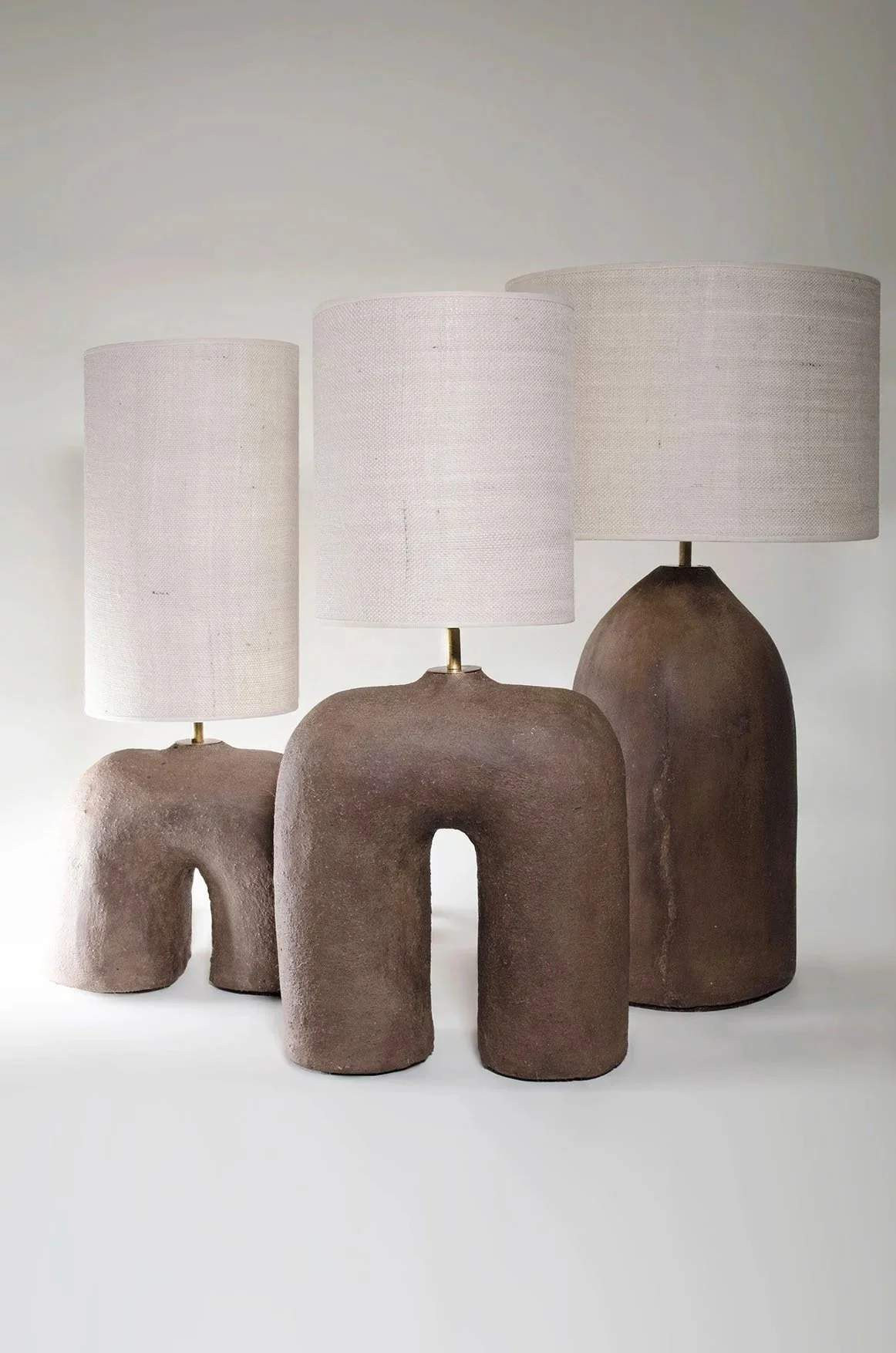
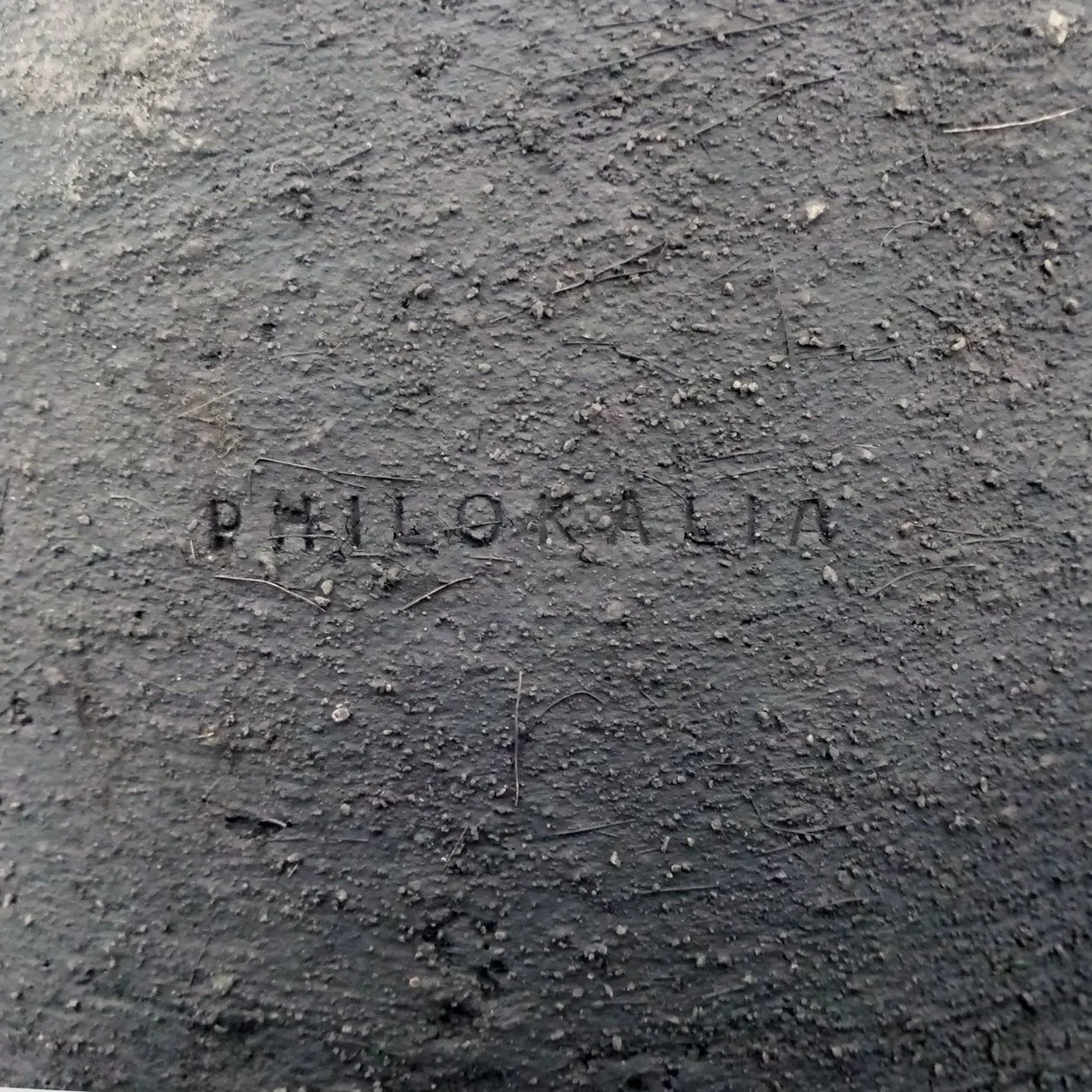
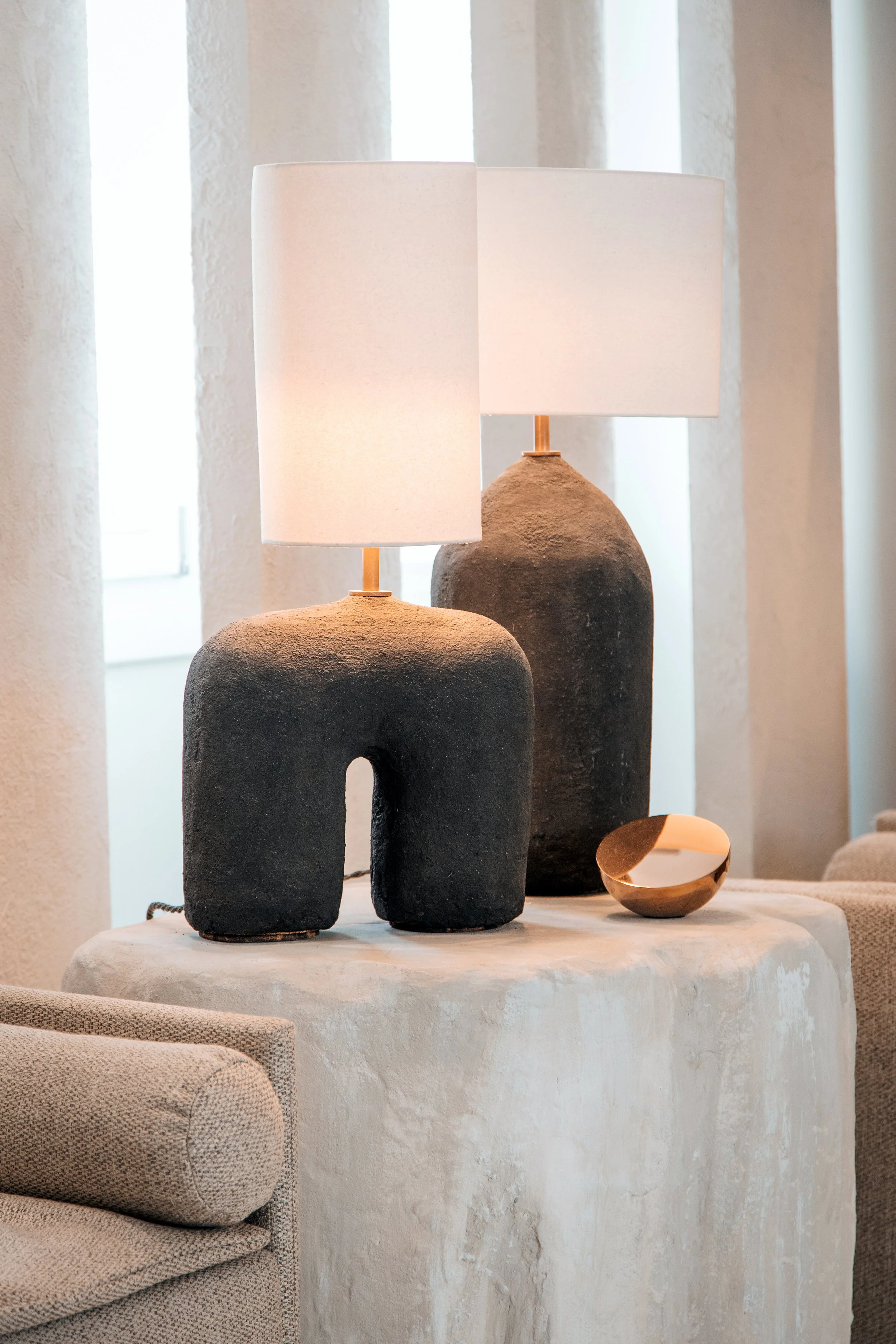
Philokalia is an independent, authored material practice developed in Greece. Formed through deliberate slowness, each piece is shaped entirely by hand from earth, straw, goat hair and metal, without moulds, and naturally dried in the sun.
The name comes from the Greek philokalia — the love of the good and the beautiful. In Orthodox tradition, it is also the title of a revered anthology of ascetic writings; a spiritual lineage devoted to inner stillness (hesychia), humility and clarity of being.
The name carries personal weight, shaped by an upbringing rooted in theology, reflection and a quiet attentiveness to meaning. Born from a return to Greece after years of practice in London, and from a conscious re-rooting in material rhythm, Philokalia emerged as a grounding act – an offering to what endures; land, hand and the sacred simplicity of making.
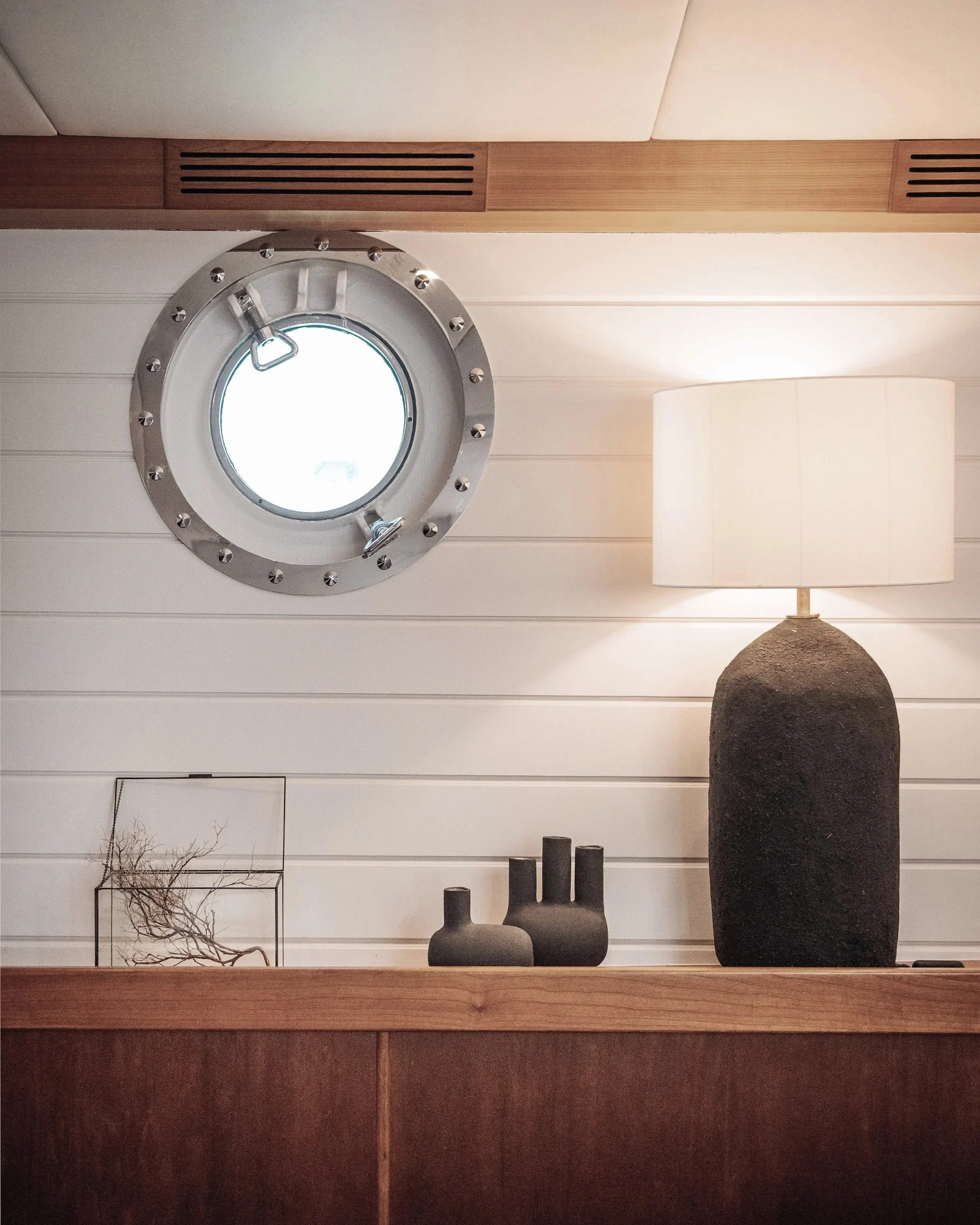
IInspired by ancient earthen construction techniques, each object is sculpted around a solid wood core. Surfaces remain intentionally imperfect, carrying the trace of hand and gravity. Metals are left raw, allowing them to patinate over time. No two forms are alike.
These objects were not conceived to decorate but to hold atmosphere and space — not only light. Each carries the trace of touch, the intelligence of its materials and the presence of place.
Greece
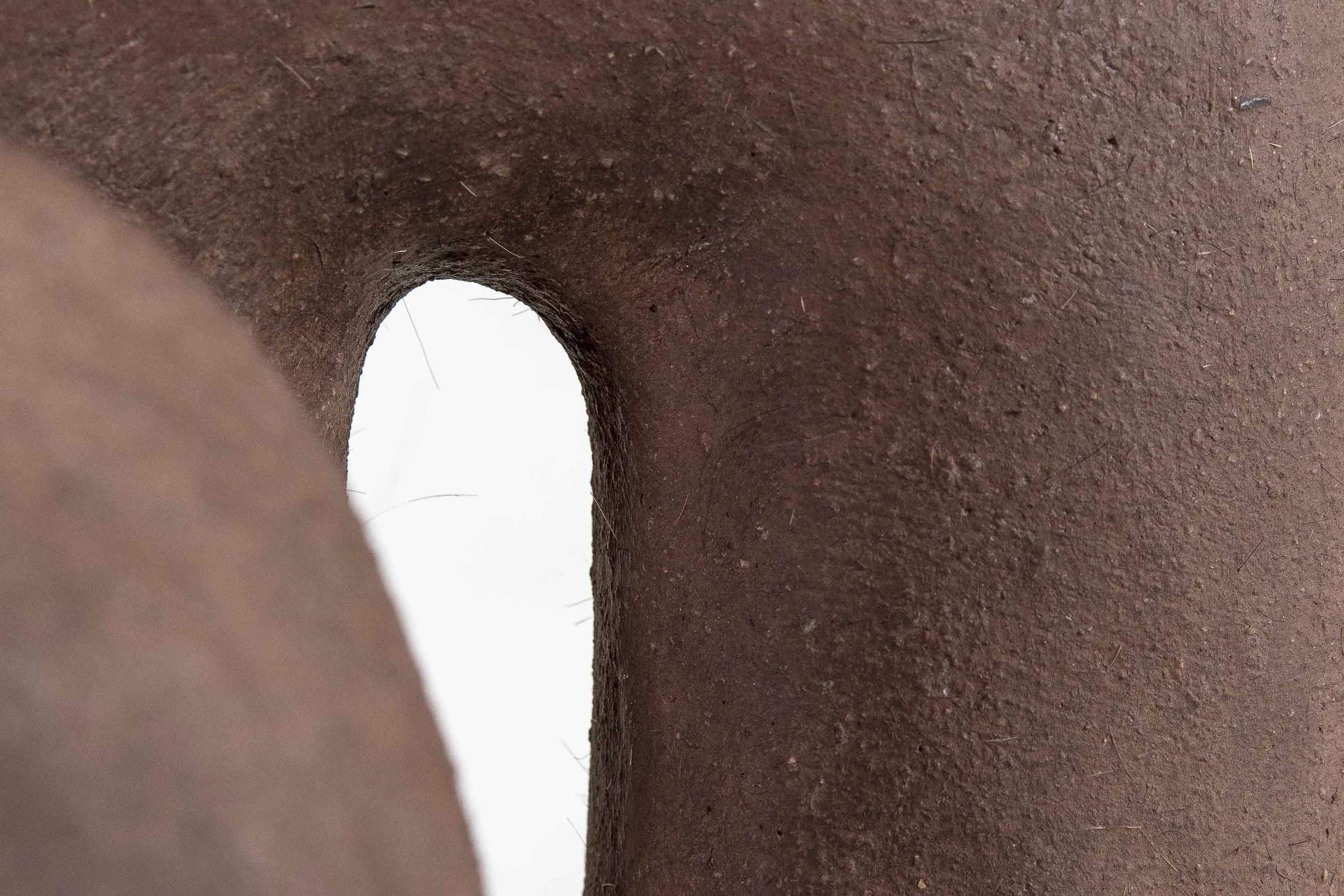
Philokalia objects are not functional artefacts alone. They act as spatial presences, inviting stillness, attention and a renewed relationship with material and time.
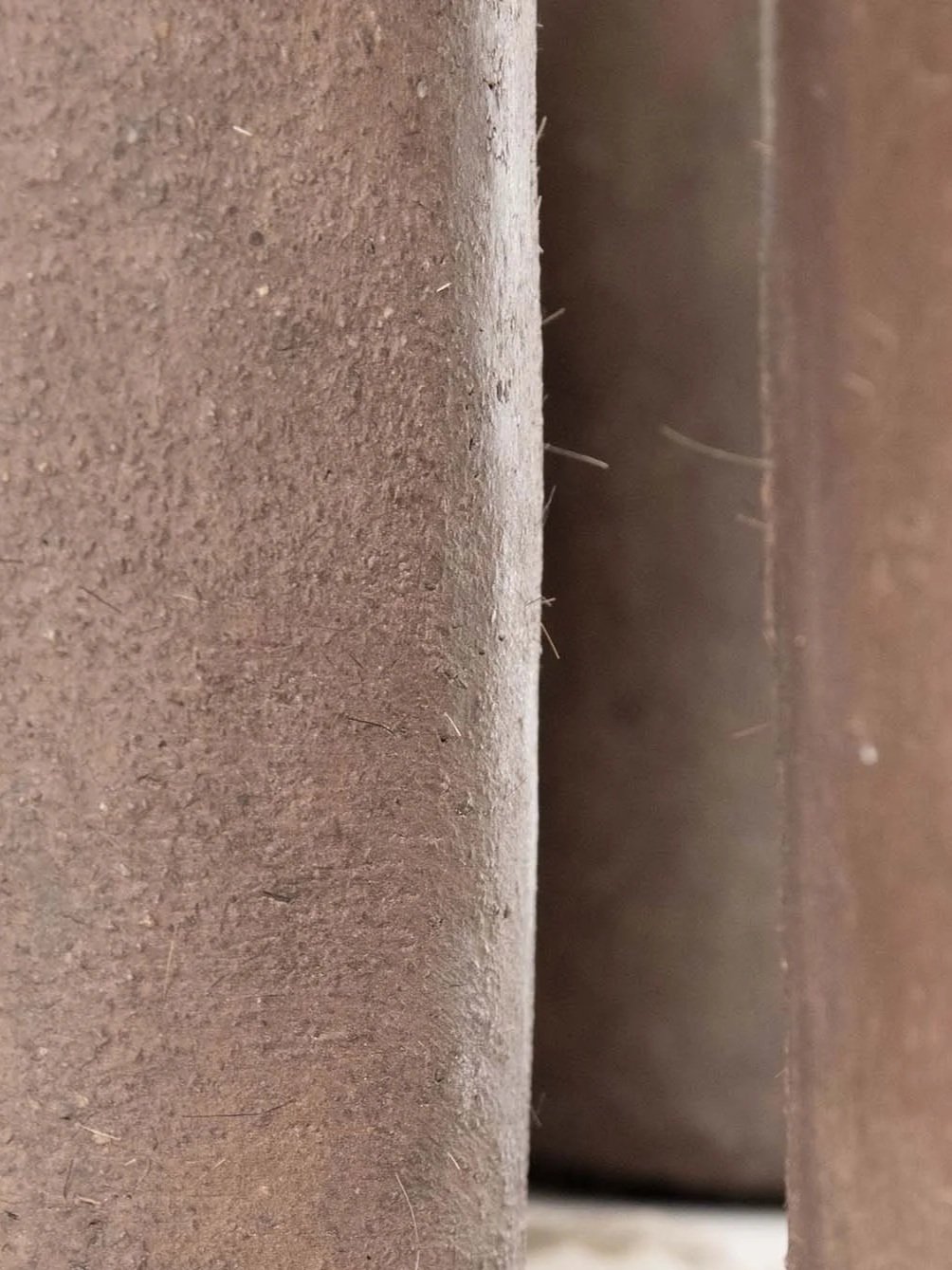
An object born from earth layering techniques, informed by Neolithic construction logic and ritual stillness.
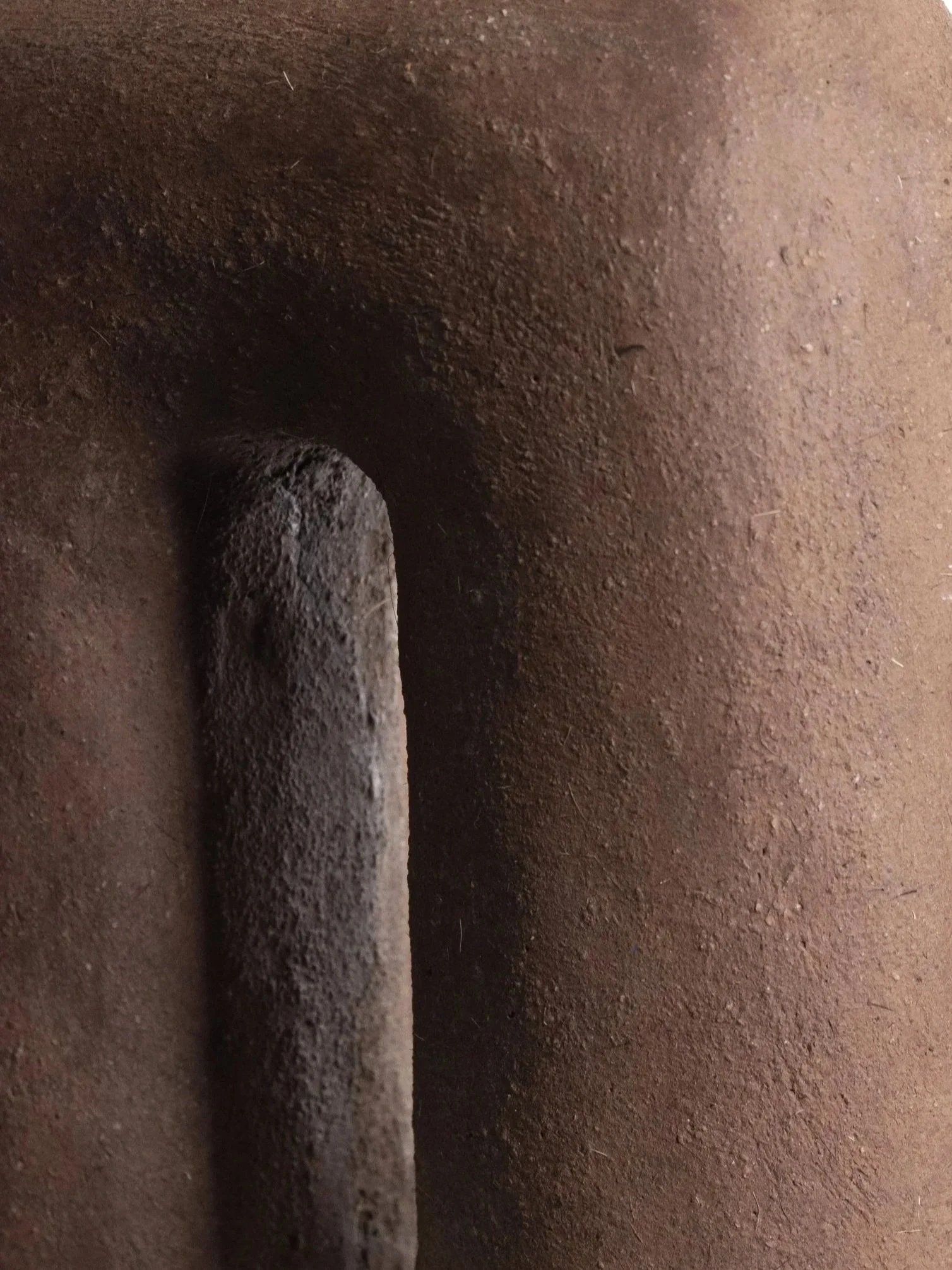
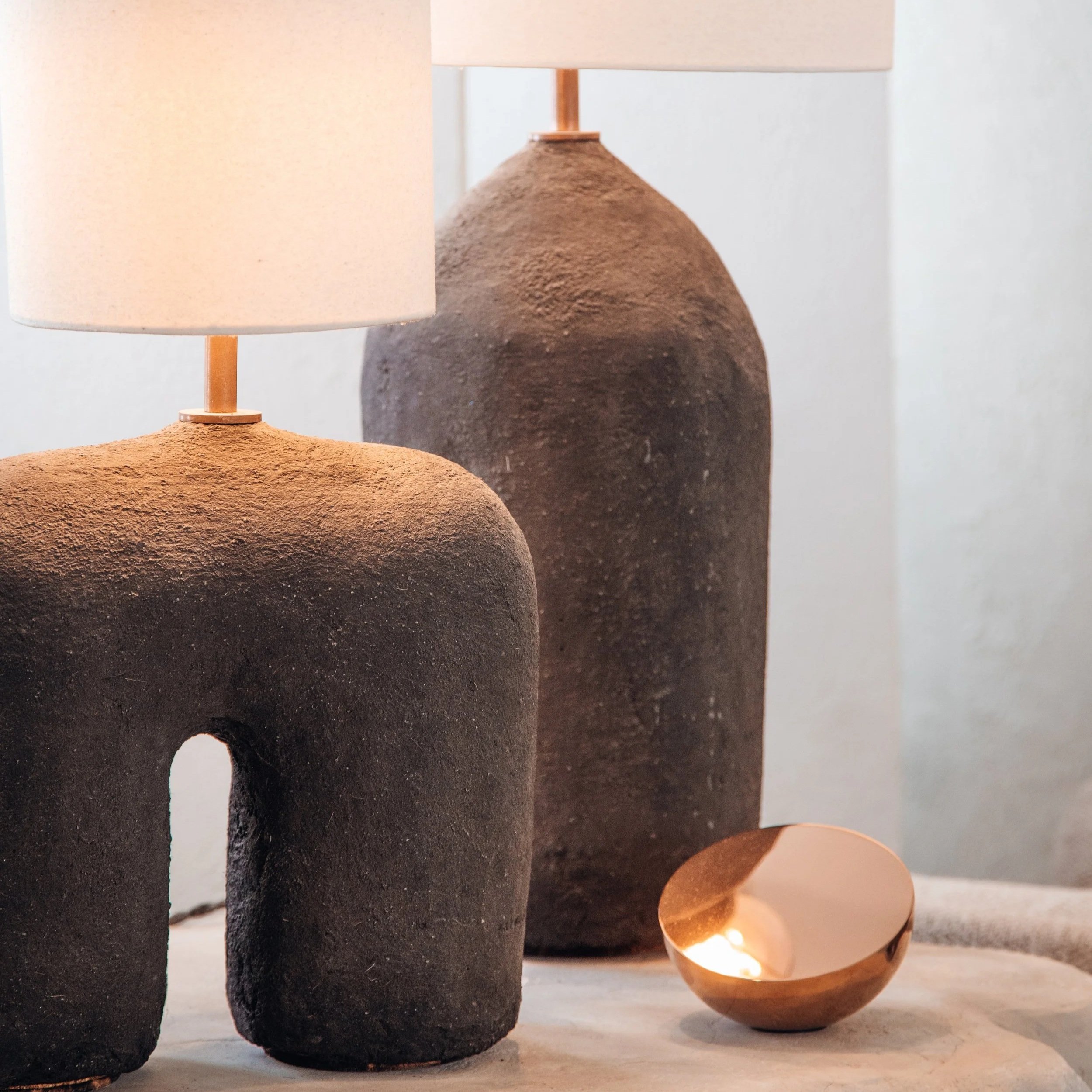
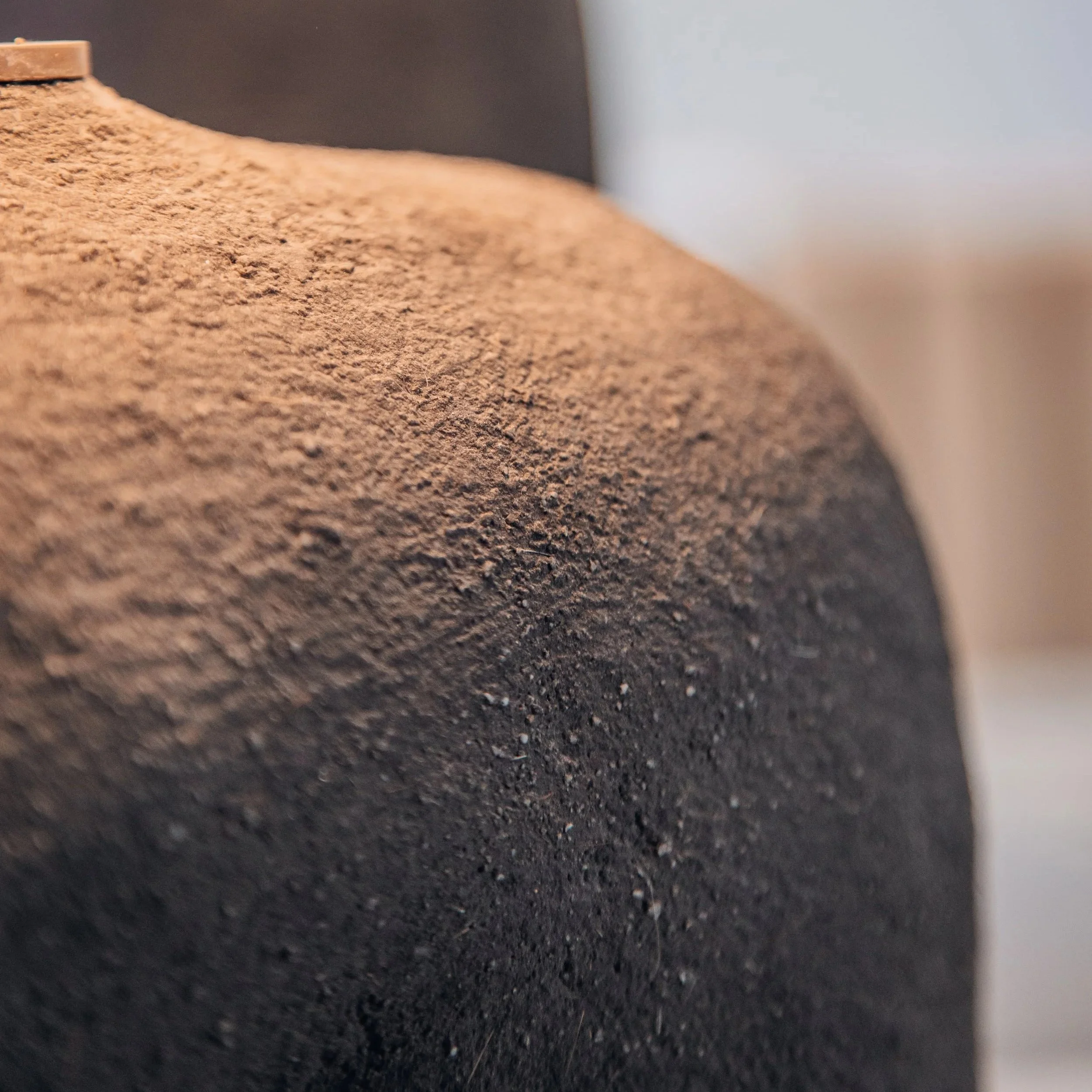
Poetically crafted by skilled artisans specialising in low-impact ancient techniques, using hand-gathered, locally sourced natural materials. Making is slow, matter is respected and nothing is produced without necessity.
Select textile pieces within the Philokalia body of work were commissioned from the Holy Convent of Ormylia and hand-woven on traditional looms, extending the collection’s dialogue with ritual labour and living monastic traditions.
Every object begins with the same search for meaning.
Creative Direction · Brand Development · Spatial Strategy · Interior Architecture · Experiential Environments
Creative Direction · Brand Development · Spatial Strategy · Interior Architecture · Experiential Environments
The same principles can shape a place.